
Information from the NHS website
Symptoms of acanthosis nigricans
The main symptom of acanthosis nigricans is patches of skin that are darker and thicker than usual.
They can appear anywhere on the body.

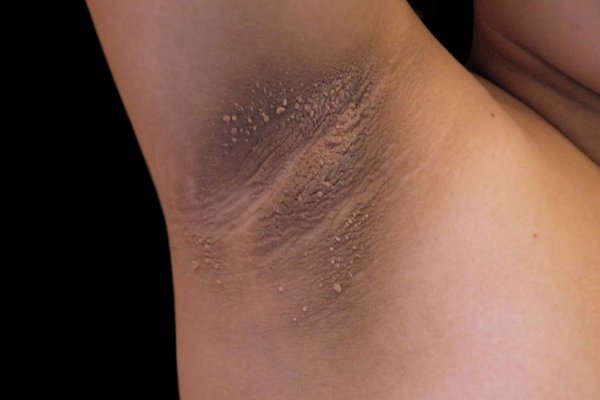
The patches often appear gradually without any other symptoms.
Sometimes the skin may be itchy.
- you have new dark patches on your skin
- you have any skin changes you're unsure about
What happens at your appointment
A GP can usually tell if it's acanthosis nigricans by looking at your skin.
Although acanthosis nigricans is usually harmless, it's best to get any skin changes checked out.
Rarely, it can be a sign of something more serious, such as cancer.
You may need some tests to find out what's causing the patches.
Causes of acanthosis nigricans
The most common cause of acanthosis nigricans is obesity.
Other causes include:
- type 2 diabetes
- conditions that affect hormone levels – such as Cushing's syndrome, polyendocrine metabolic ovarian syndrome (PMOS) or an underactive thyroid
- taking certain medicines – including steroids or hormone treatments like the contraceptive pill
- rarely, cancer – usually stomach cancer
- rarely, a faulty gene inherited from your parents
Sometimes healthy people with no other conditions get acanthosis nigricans. This is more common in people with black or brown skin.
Treating acanthosis nigricans
Once a GP knows what's causing acanthosis nigricans, they can recommend the best treatment.
The patches should fade over time once the cause is treated.
If you're very overweight, a GP may recommend losing weight.
Depending on the cause, they may also recommend:
- medicine to balance your hormones
- medicine to balance your insulin levels
- changing your medicine to one that does not cause the patches
There's no specific treatment for the patches themselves. A skin specialist (dermatologist) may be able to suggest treatments to improve their appearance, but finding and treating the cause is usually recommended first.

Page last reviewed by the NHS: 4 July 2024. Information from the NHS website is licensed under the Open Government Licence v3.0. Doorstep Pharmacy does not change NHS content.